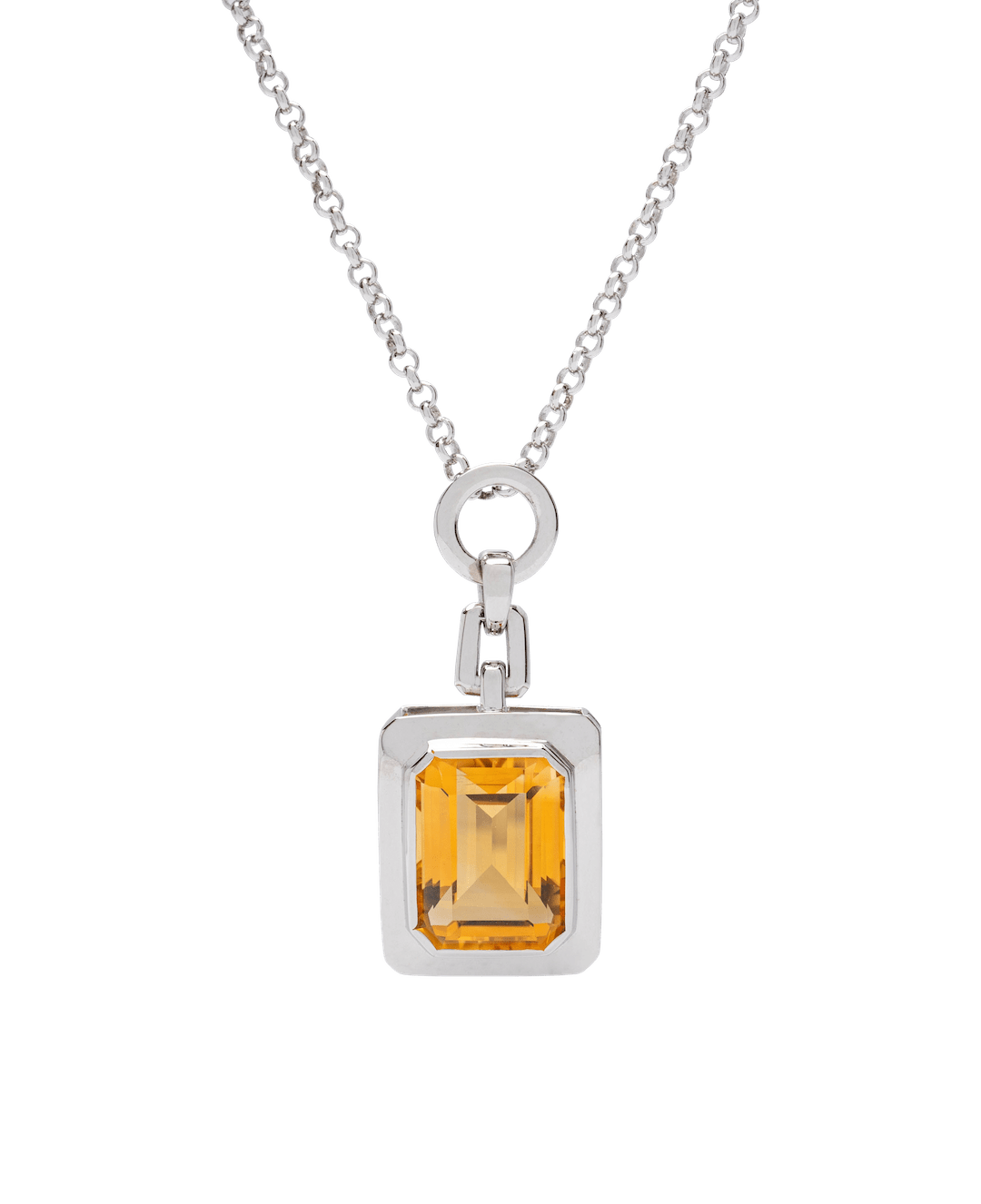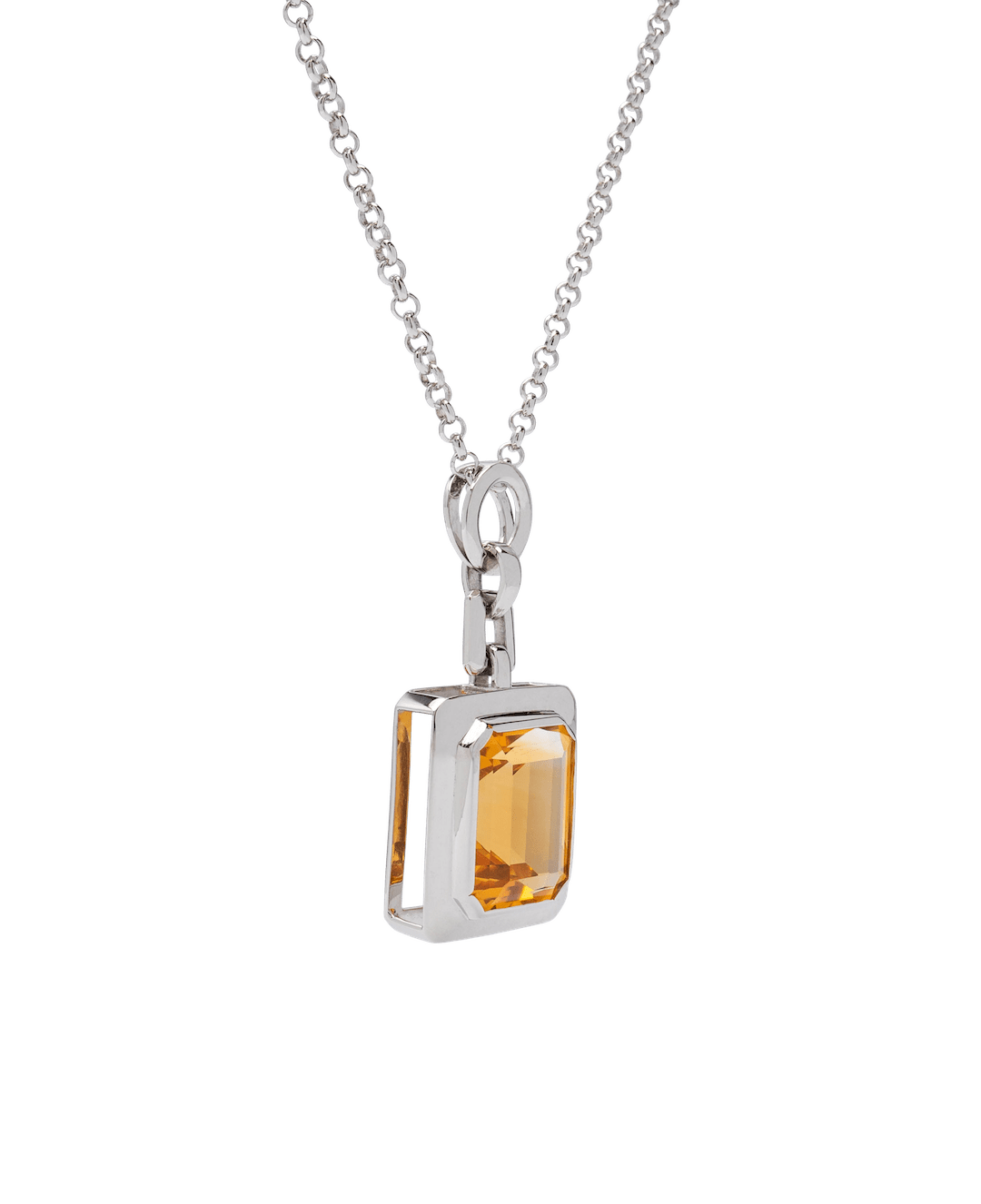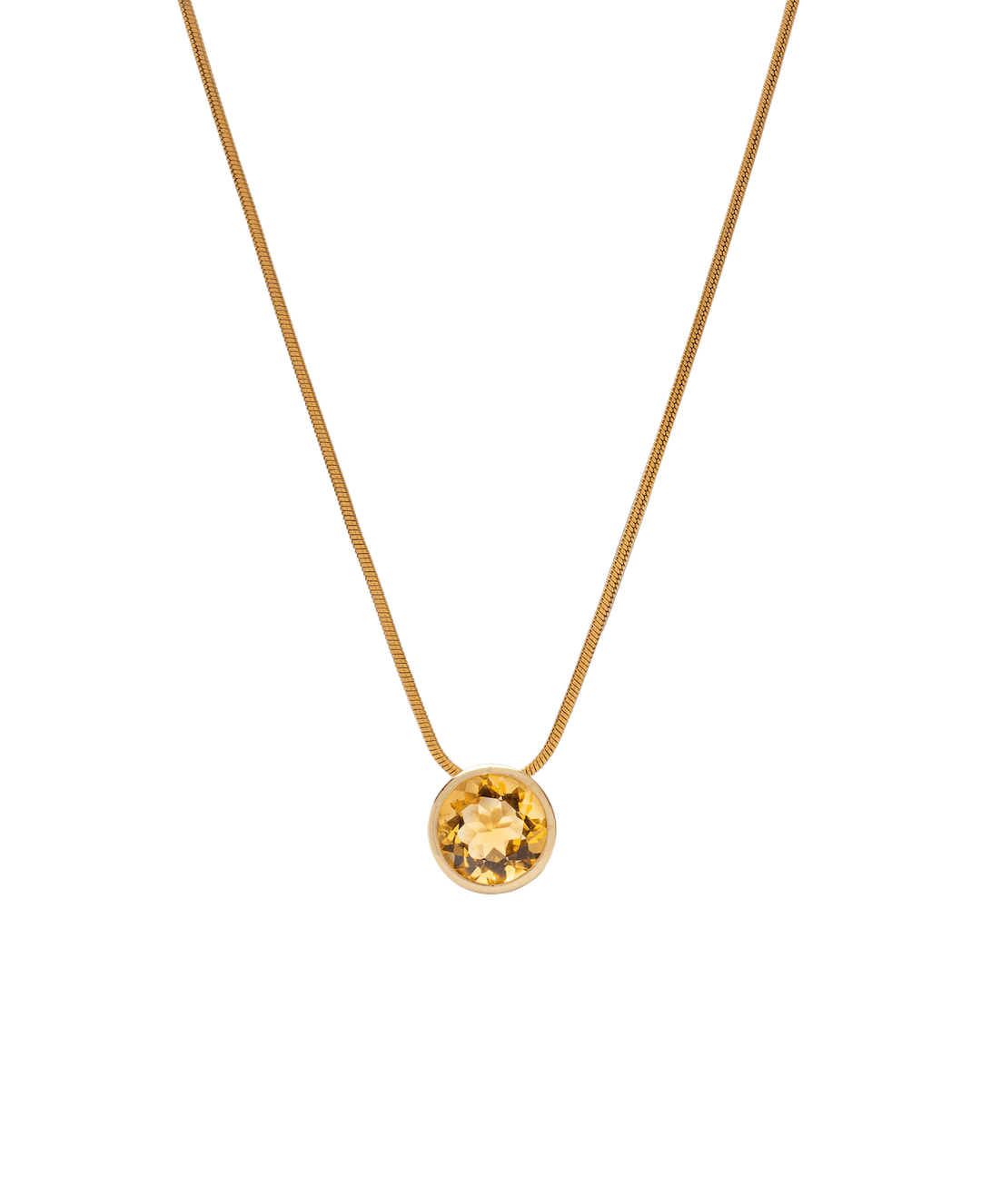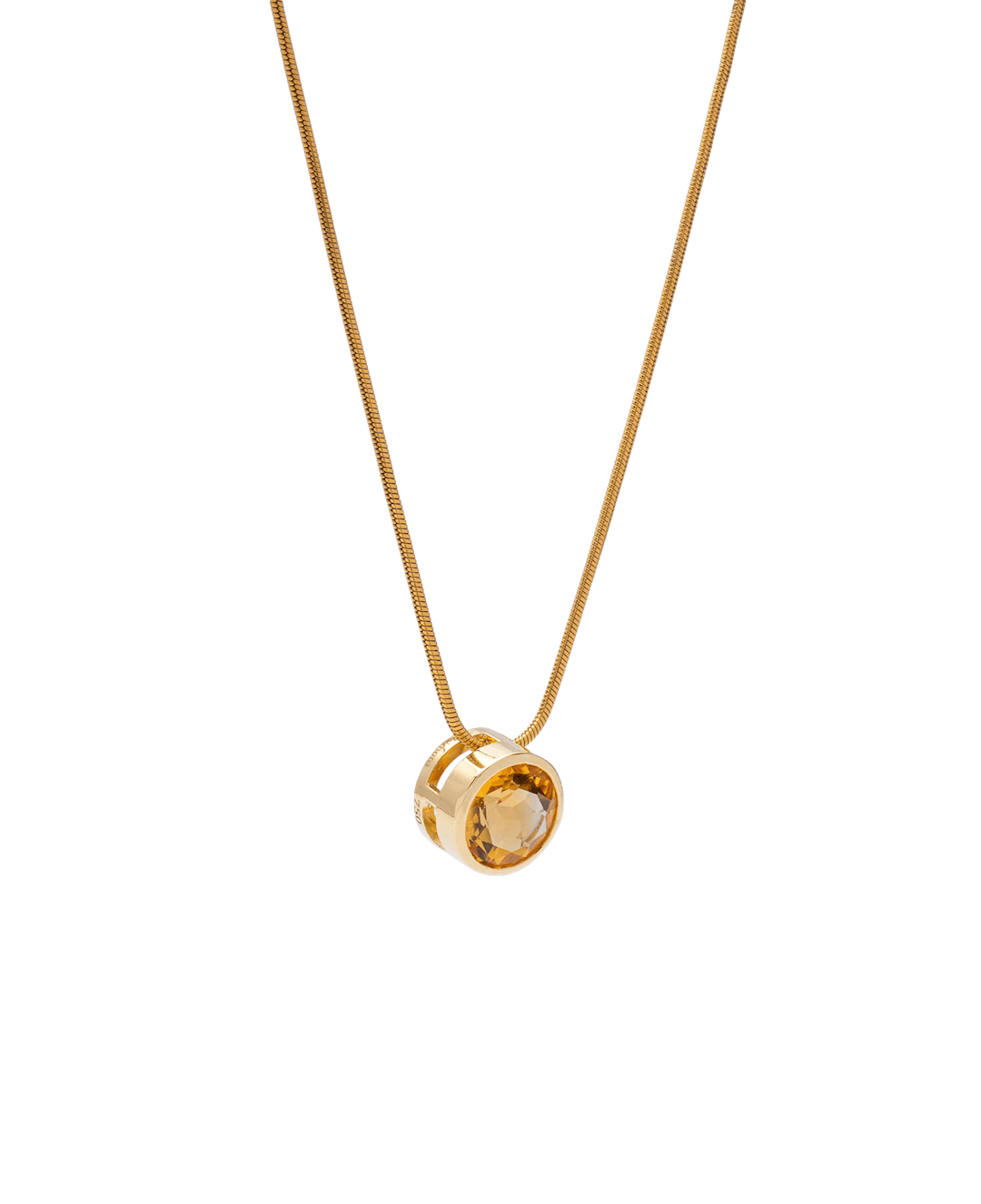
Citrine
Why Natural Citrine Is Rarer Than You Think

The Golden Colour of Citrine
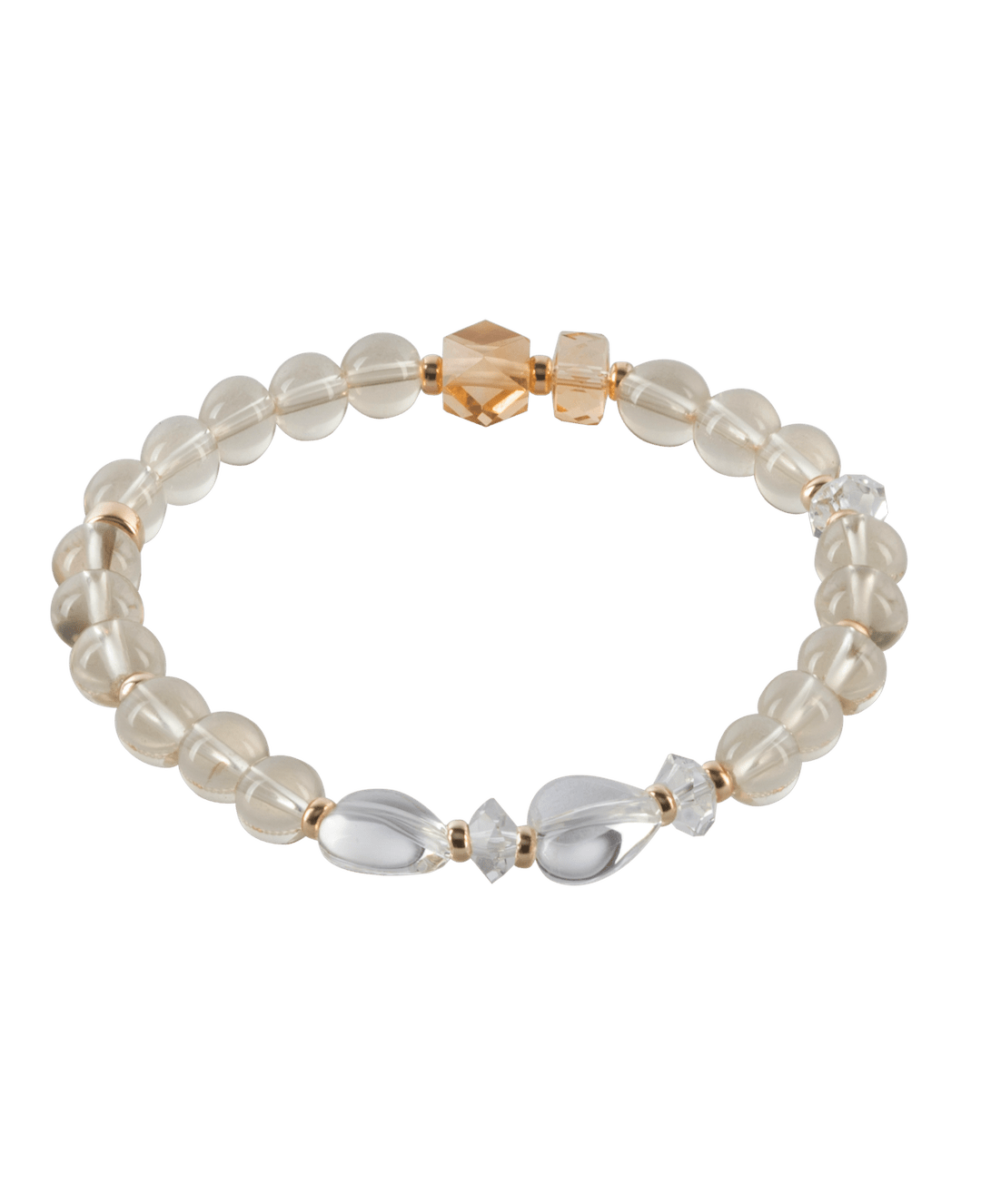
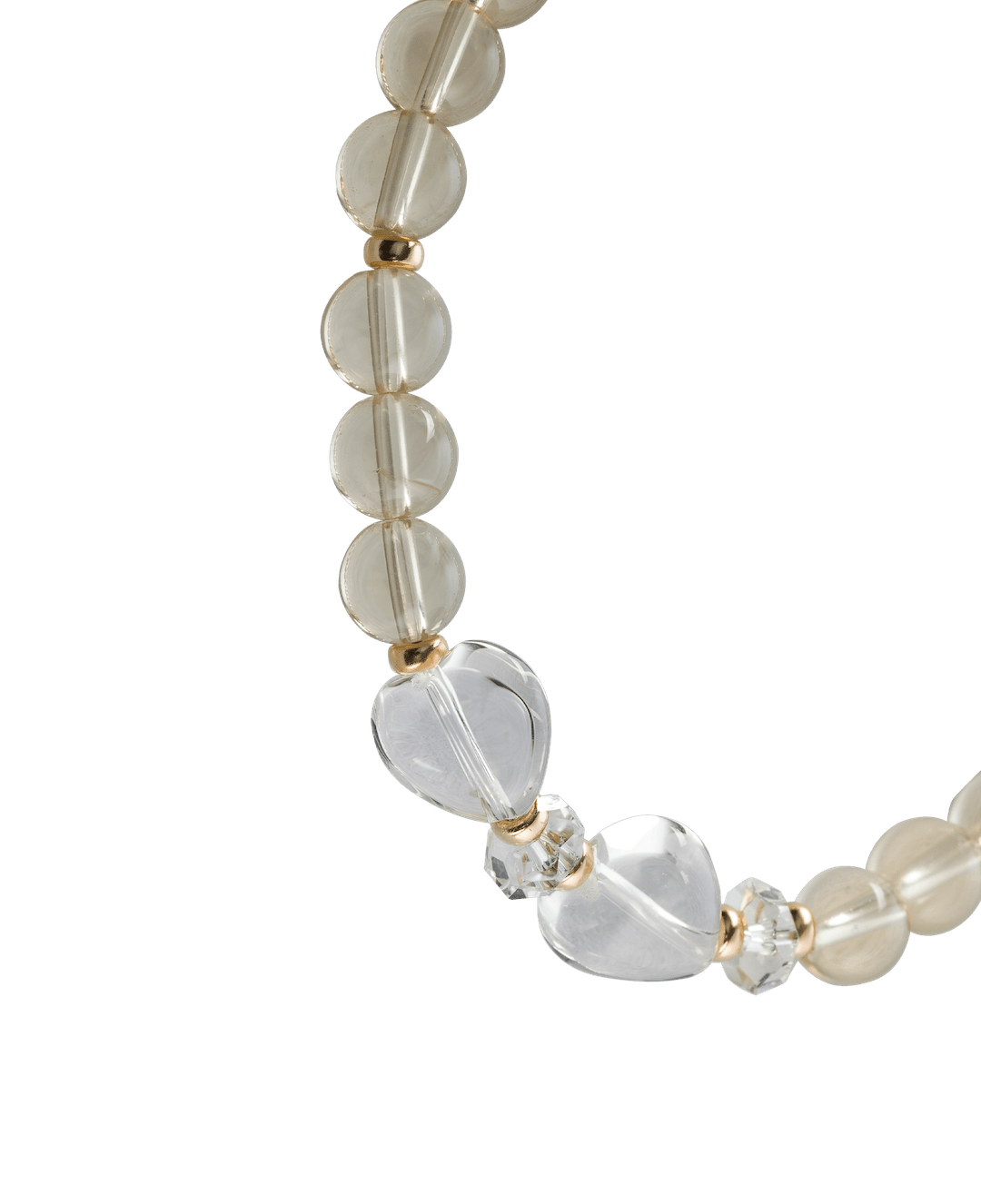
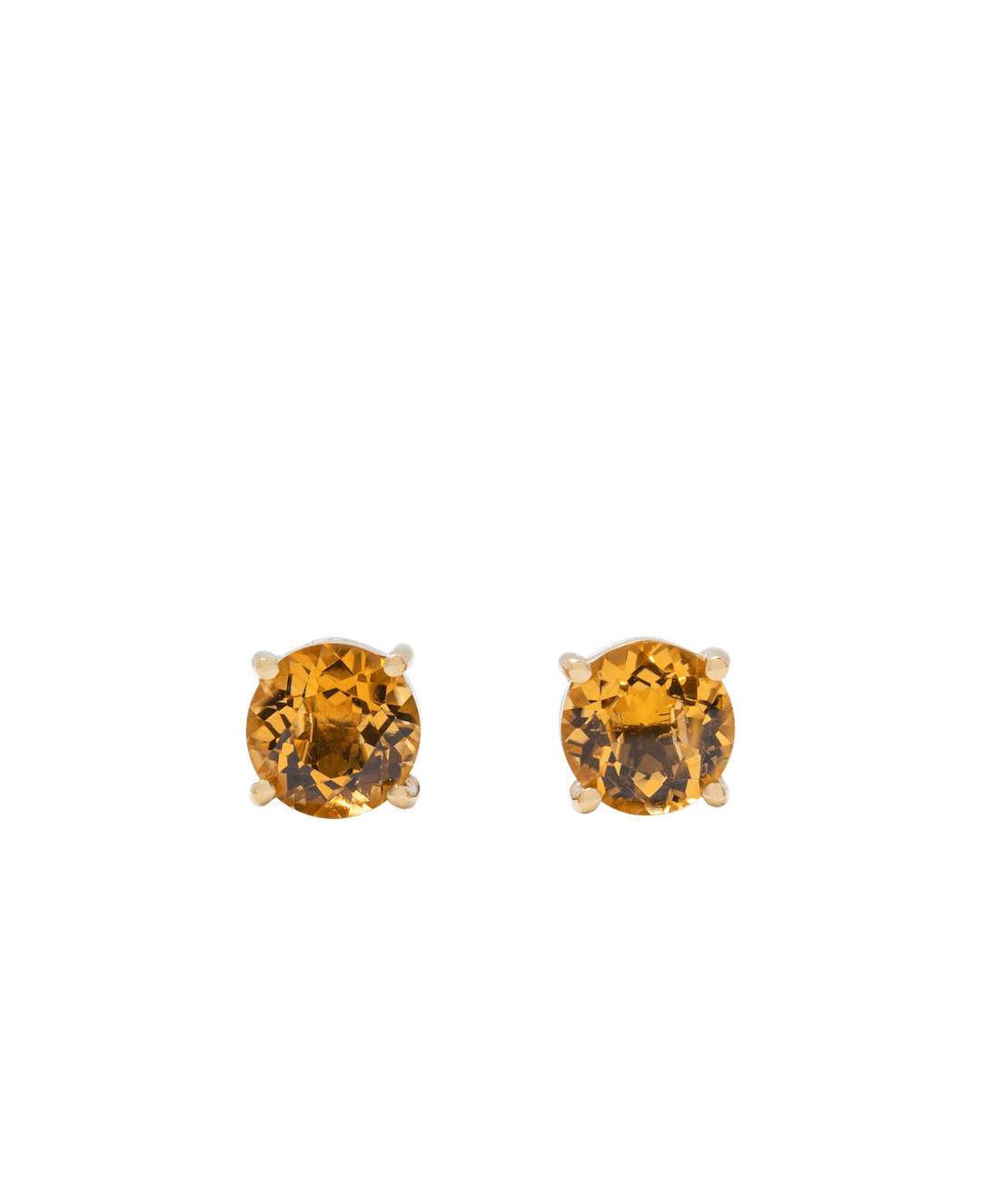
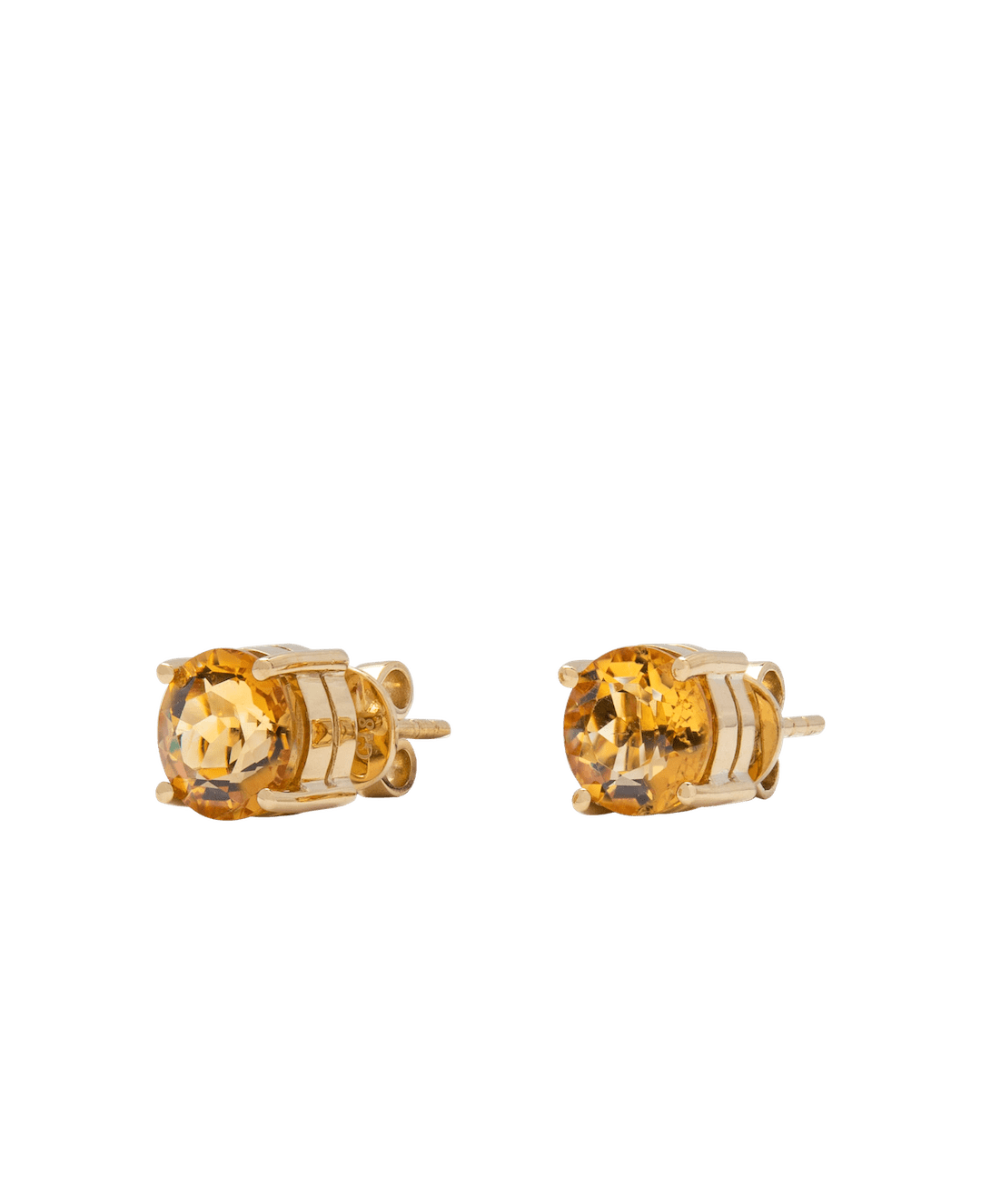
Citrine is the transparent yellow to brownish-orange variety of quartz, best known for its warm, luminous colour. Its golden appearance is linked to trace amounts of iron within the quartz. Depending on the conditions under which the crystal forms, citrine can range from a delicate, pale yellow to richer honey, golden-orange and reddish-orange tones.
There is something particularly evocative about these shades. Pale citrine can resemble the first light of morning, while deeper golden tones recall the warmth of sunlight just before sunset. This is why citrine naturally fits the palette of the Golden Hour — that brief moment when light becomes softer, warmer and almost amber in colour.

Natural Citrine: A Rarer Side of Quartz
Although citrine is widely available in jewellery today, natural citrine is comparatively uncommon. Much of the citrine found in the modern market is created by heat-treating amethyst, transforming its original purple colour into shades of yellow, orange or golden brown. This is a recognised and widely used gemstone treatment, but it is different from citrine that developed its colour naturally within the earth.
Natural citrine forms under particular geological conditions, which helps explain why naturally golden quartz is less frequently encountered than its purple counterpart, amethyst. Some notable natural citrine comes from places including Bolivia, Madagascar, Spain, Mexico and Uruguay. Bolivia's Anahí mine is especially known for producing natural citrine, as well as crystals where purple amethyst and yellow citrine occur together — a combination known as ametrine.

A November Stone with a Long History
Citrine has been appreciated for centuries, with quartz itself appearing in jewellery and ornament throughout ancient cultures. Historical examples of citrine jewellery have also been found from the Victorian era, when its warm golden colour complemented the rich tones and elaborate designs of the period. Its name is believed to be connected to the French word citron, meaning lemon.
Today, citrine is recognised as one of the two November birthstones, alongside topaz. Its naturally sunlit colour makes it especially fitting for the month, bringing a sense of warmth into the transition toward the cooler end of the year. At Yukimoto, citrine's appeal lies not simply in its yellow colour, but in the character behind that colour.